Rugby Player Embroidery Design
First Impression: Bold, Athletic, and Ready for Boutique Apparel
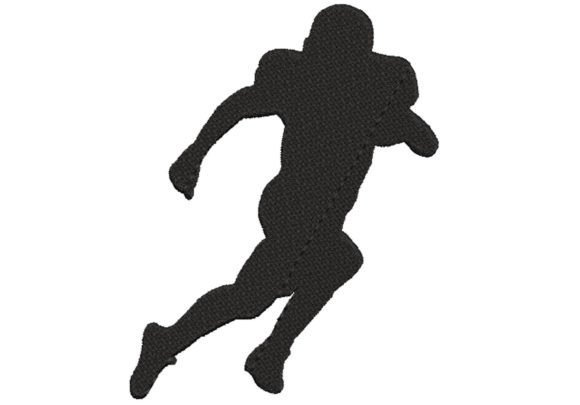
As an embroidery designer who’s digitized over 300 sports-themed motifs for small apparel brands, my first glance at Rugby Player told me this wasn’t just another silhouette pack. It carries the physicality of the sport—shoulders squared, stance grounded, jersey taut—without slipping into cartoonish exaggeration. The visual personality is confident but not aggressive; athletic yet approachable. It reads as premium, not generic. That matters when you’re building a boutique brand where every stitch supports your identity.
Sweatshirt & Hoodie Performance: Chest Placement That Commands Attention
Rugby Player shines on neutral sweatshirts—charcoal heather, oatmeal, soft black—where its clean line work and balanced fill areas translate beautifully in mid-weight fleece. On pastel hoodies (think blush, sage, or sky blue), it gains subtle contrast without needing thread color swaps. For dark garments, I recommend testing a high-contrast thread like bright white or metallic silver—not because the design lacks clarity, but because dense stitch zones benefit from intentional pop.
It works exceptionally well as a chest placement on standard and oversized hoodies. The composition avoids excessive vertical height, so it doesn’t creep too far up the neckline or drown in the drop-shoulder seam. As a sleeve accent? Yes—but only on the upper bicep, where curvature is minimal. Avoid wrapping it around the forearm curve unless you’ve tested stabilizer + fabric combo thoroughly.
Back Designs, Totes, and Lifestyle Merchandise
At full scale, Rugby Player holds strong as a back design on relaxed-fit tees and denim jackets—especially when paired with minimalist text (e.g., “Try Again” or “Scrum Strong” in a clean sans-serif). Its decorative strength lies in restraint: no overdone textures, no unnecessary flourishes. That makes it ideal for lifestyle product photos and printable mockups where authenticity matters more than flash.
On canvas totes, it reads clearly even at 4.5" wide—a sweet spot for visibility without overwhelming the bag’s structure. For Etsy sellers, that means faster buyer recognition and stronger visual consistency across listings. Small shop products gain instant credibility when the embroidery feels intentional, not imported.
Where to Use Rugby Player Carefully
This isn’t a one-size-fits-all motif. Avoid placing Rugby Player directly over ribbed fabric seams (like hoodie cuffs or waistbands)—the stretch can distort stitch alignment. Likewise, skip tight chest placements under 3.25" wide; tiny lettering or fine jersey details may lose definition on low-thread-count cotton tees. On curved surfaces—like the front yoke of a fitted hoodie—always test hoop size and stabilizer choice first. A medium-weight cutaway works best for fleece; tear-away often shifts during dense fill passes.
How Rugby Player Elevates Your Brand Identity
For handmade product creators and boutique brands, Rugby Player does more than decorate—it signals intentionality. It tells customers you invest in designs that reflect real movement, texture, and human energy—not clip art repurposed for stitching. That builds buyer trust, especially among sports enthusiasts who spot lazy digitizing instantly.
When used consistently across a collection—say, a rugby-themed capsule of sweatshirts, tees, and tote bags—it strengthens product recognition. Social media graphics feel cohesive. Customers begin associating your thread palette, placement rhythm, and stitch density with your name—not just the sport. That’s how a single Creative Fabrica embroidery file becomes part of your brand’s visual grammar.
Practical Designer Notes Before You Stitch
Before cutting into your first batch of apparel, run these checks:
- Test on scrap fabric that matches your final garment’s weight and stretch—especially critical for fleece and French terry.
- Confirm stabilizer choice: Cutaway for knits and heavy fills; lightweight tear-away for stable wovens like denim or canvas.
- Review thread color contrast against your base fabric—not just on screen. What looks sharp on a monitor may mute on heather gray.
- Inspect stitch density in the player’s jersey and shoulder area. High-density zones need proper tension calibration and needle type (size 75/11 works well for most mid-weight fabrics).
- Compare placement options on a few mockup sizes—small chest, center-back, left sleeve—to see which reinforces your brand voice.
- Check Creative Fabrica product details for included formats, recommended hoop size, and licensing terms before producing commercial embroidery products. Licensing clarity protects your small shop product long-term.
Final Thoughts for Creative Entrepreneurs
Rugby Player isn’t flashy—but it’s reliable, expressive, and built for real-world apparel use. It bridges the gap between spirited sports energy and boutique-level refinement. Whether you’re an Etsy seller launching a seasonal collection, a craft studio adding custom sweatshirt options, or a digital seller bundling embroidery files with lifestyle branding guides, this machine embroidery design delivers professional-grade versatility.
It reminds us that great sweatshirt embroidery doesn’t shout—it stands with presence. And in a crowded market of fast-fashion imitations, that kind of quiet confidence is exactly what helps small creative businesses stand out.