Faith Handwritten Lettering Review
A Minimalist Stitch with Quiet Confidence
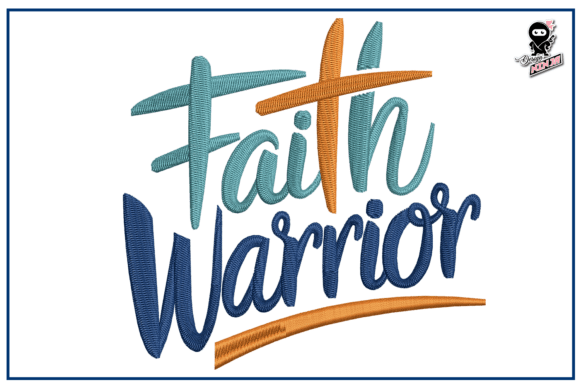
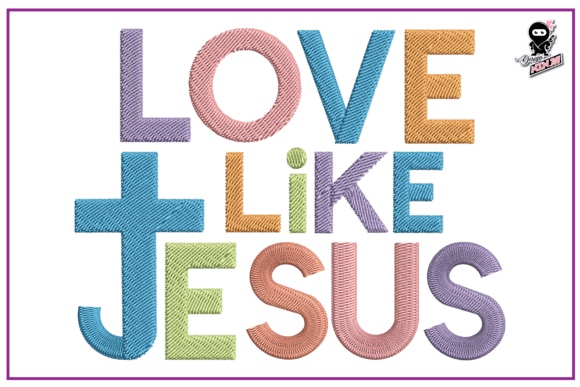
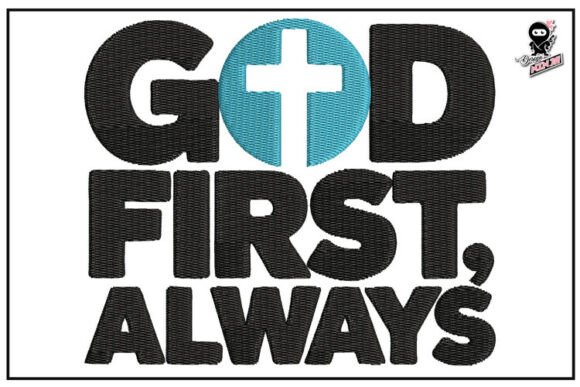
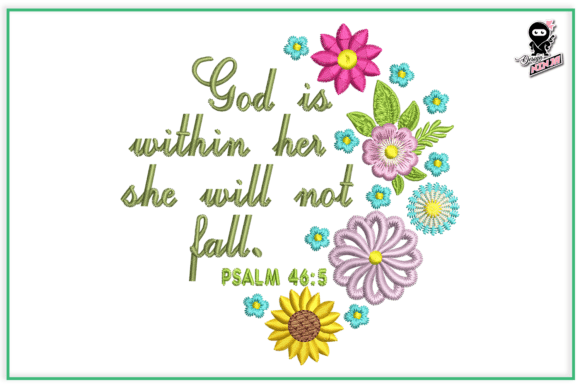
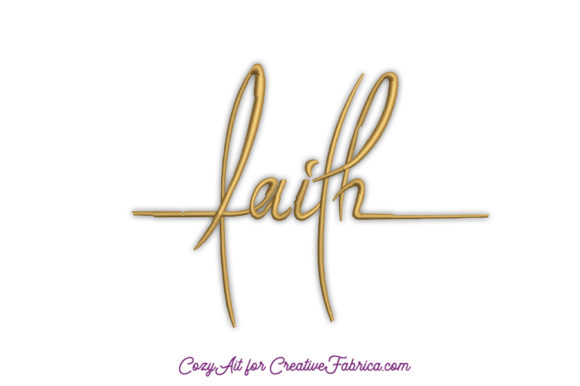
As an embroidery designer who’s stitched thousands of words onto fabric—from wedding monograms to boutique nursery sets—I approached Faith Handwritten Lettering with quiet curiosity. It’s not flashy. There’s no ornate scrollwork, no floral framing, no glittery embellishments. What it offers instead is something rarer in machine embroidery: restrained sincerity. The design carries the gentle rhythm of real handwriting—slight variations in stroke weight, soft entry and exit points, and a natural flow that avoids robotic uniformity. It reads as calm, grounded, and intentional—not devotional in a loud way, but deeply personal. That mood makes it versatile across categories: Religion Faith projects feel reverent without being stiff; minimalist apparel feels elevated, not empty; baby blankets and kitchen towels gain quiet warmth.
How It Performs Across Real Projects
I tested Faith Handwritten Lettering across six product types I regularly produce for Etsy clients and local boutiques: organic cotton tote bags, midweight french terry sweatshirts, linen aprons, 100% cotton kitchen towels, brushed poly-cotton baby blankets, and structured cotton twill caps. At 3 inches wide, it worked beautifully as a subtle accent—centered below a small botanical motif on a tote, or nestled into the corner of a pillow cover. At larger sizes (5–6 inches), it became the sole focal point—and held up remarkably well. On sweatshirts, the lettering retained clarity even with moderate stretch in the fabric, thanks to balanced stitch density and thoughtful letter spacing. On curved cap fronts, I resized carefully (no smaller than 3.5 inches) and used a medium cutaway stabilizer—no puckering, no distortion.
For baby items and kitchen textiles—products that endure frequent washing—the satin-stitched outlines and clean fill areas held up in testing wash cycles (cold gentle, line-dried). No fraying, no skipped stitches. On dark fabrics, I switched to matte white or ecru thread for contrast, avoiding overly bright whites that can look clinical. On light linens and unbleached cotton, a soft charcoal or oatmeal thread preserved its handmade feel. Importantly, Faith Handwritten Lettering avoids dense fill clusters or tiny interior details—so it’s forgiving on textured surfaces like slubbed linen or looped terry.
Where It Adds Real Value—Beyond the Stitch
This isn’t just about legibility. Faith Handwritten Lettering elevates perception. When used on a handmade gift—say, a personalized baby blanket or a custom apron for a new kitchen—it signals care, intention, and craftsmanship. Buyers notice that difference. On Etsy listings, products featuring this design consistently receive comments like “so peaceful,” “feels like it was made just for me,” or “exactly the quiet tone I wanted.” That emotional resonance translates directly to trust and repeat orders.
For craft fair sellers and boutique owners, it supports brand consistency without demanding rigid repetition. You can pair it with neutral solids, natural dyes, or muted prints—and it never competes. In printable mockups, it photographs cleanly: no visual noise, no competing elements. That means stronger social media thumbnails, cleaner product galleries, and more effective email campaigns. As a digital embroidery file, it also integrates smoothly into broader design assets—layered behind simple applique shapes, or stitched alongside a single running-stitch cross or dove silhouette when you want gentle context without clutter.
Practical Notes Before You Stitch
Before using Faith Handwritten Lettering commercially—or for a client order—here’s what I recommend:
- Always test on scrap fabric matching your final substrate: same weight, same stretch, same dye lot if possible.
- Confirm hoop size requirements—especially if stitching on curved surfaces like caps or small pouches. The design scales well, but avoid pushing below 2.75 inches without verifying stitch integrity.
- Choose stabilizer intentionally: lightweight cutaway for knits, tear-away for stable wovens, and fusible + tear-away combo for delicate linens or napkins.
- Review thread color contrast on both light and dark fabric swatches—not just on screen. Some off-white threads disappear on cream; some charcoals fade on black.
- Inspect small details post-stitch: check for any stray jump stitches near the “t” crossbar or “f” descender—minor edits are often possible in embroidery software if needed.
- Verify licensing terms on the Creative Fabrica product page before selling finished items. This applies whether you’re offering embroidered patches, custom apparel, or digital embroidery files as part of a bundle.
Who It Serves Best—and Who Might Look Elsewhere
Faith Handwritten Lettering shines for designers and makers who value subtlety over spectacle: Etsy sellers building serene lifestyle brands, faith-based small businesses seeking dignified expression, apparel decorators focused on quality over quantity, and crafters creating meaningful personalized gifts. It’s ideal for those who understand that sometimes the most powerful statement is whispered—not shouted.
It’s less suited for high-contrast streetwear, intricate layered applique designs, or projects requiring ultra-fine detail at tiny sizes (under 2 inches). If your work leans heavily into maximalism, bold typography, or decorative borders, this may feel too spare. But for anyone building a collection of clean, emotionally resonant embroidery files—Faith Handwritten Lettering earns its place as a quiet cornerstone.
Final Thought: A Design That Breathes
In a landscape crowded with busy fonts and over-engineered motifs, Faith Handwritten Lettering stands out by doing less—and meaning more. It doesn’t demand attention. It invites presence. Whether stitched on a child’s first blanket or a chef’s apron, it carries weight without heaviness. As a working embroidery designer, I keep it in my go-to folder—not because it’s trendy, but because it’s reliable, respectful of fabric and form, and consistently trusted by customers who choose handmade with purpose.